Water Damage
What to Do in the First 24 Hours After Water Damage
The decisions you make in the first hours after water damage often determine whether a project stays manageable or turns into a major restoration. Learn the steps that protect your property and your insurance claim.
What You'll Learn in This Article
- What to do in the first 30 minutes after water damage is discovered.
- When and how to shut off water and electricity safely.
- How to document damage correctly before cleanup begins.
- Why professional drying needs to start quickly.
- When the situation is beyond household fans and towels.
Stop the source if you safely can
Before anything else, find and stop the source of water. For a burst pipe, close the main shutoff valve or the nearest fixture shutoff. For an appliance leak, unplug the appliance if safe and close its water supply line. For a roof leak, contain the spread with buckets and temporary protection while the weather source is addressed.
Do not enter standing water if there is any risk of electrical contact. If water has reached outlets, appliances, or the electrical panel, turn off affected breakers only if you can do it safely.
If you do not know where your main shutoff is, locate it before an emergency happens. In many Los Angeles homes it is near the street-facing property line, in a utility box near the meter, or where the main supply line enters the building.
Document everything before touching it
Before you move furniture, remove wet carpet, or start cleanup, document conditions. Take photos and video of every affected area, including the source of the water, visible water, staining, saturated materials, and damaged personal property.
Insurance review depends on evidence from before mitigation begins. Without pre-work photos, it becomes harder to prove the extent of damage at the time of loss.
- The apparent source of the water.
- All rooms and areas with visible water or staining.
- Water levels on walls or baseboards if standing water is present.
- Affected materials such as flooring, drywall, baseboards, cabinets, and insulation.
- Personal property affected by water.
- Any prior damage that could confuse the claim record.
Move valuables out of wet zones
Once documentation is complete, relocate electronics, documents, artwork, sentimental items, rugs, and movable furniture away from affected areas. Wet items become harder to salvage as exposure time increases.
Photograph items in place before moving them. Do not discard damaged property before it is documented.
Call insurance and a restoration company
Notify your insurance carrier to open a claim, but do not assume you must wait for the adjuster before mitigation begins. Most policies require reasonable steps to prevent further damage.
Call professional restoration help quickly when water has spread beyond a small surface event, may be inside walls or flooring, involves contaminated water, or has been present for more than a few hours.
Why mold risk starts fast
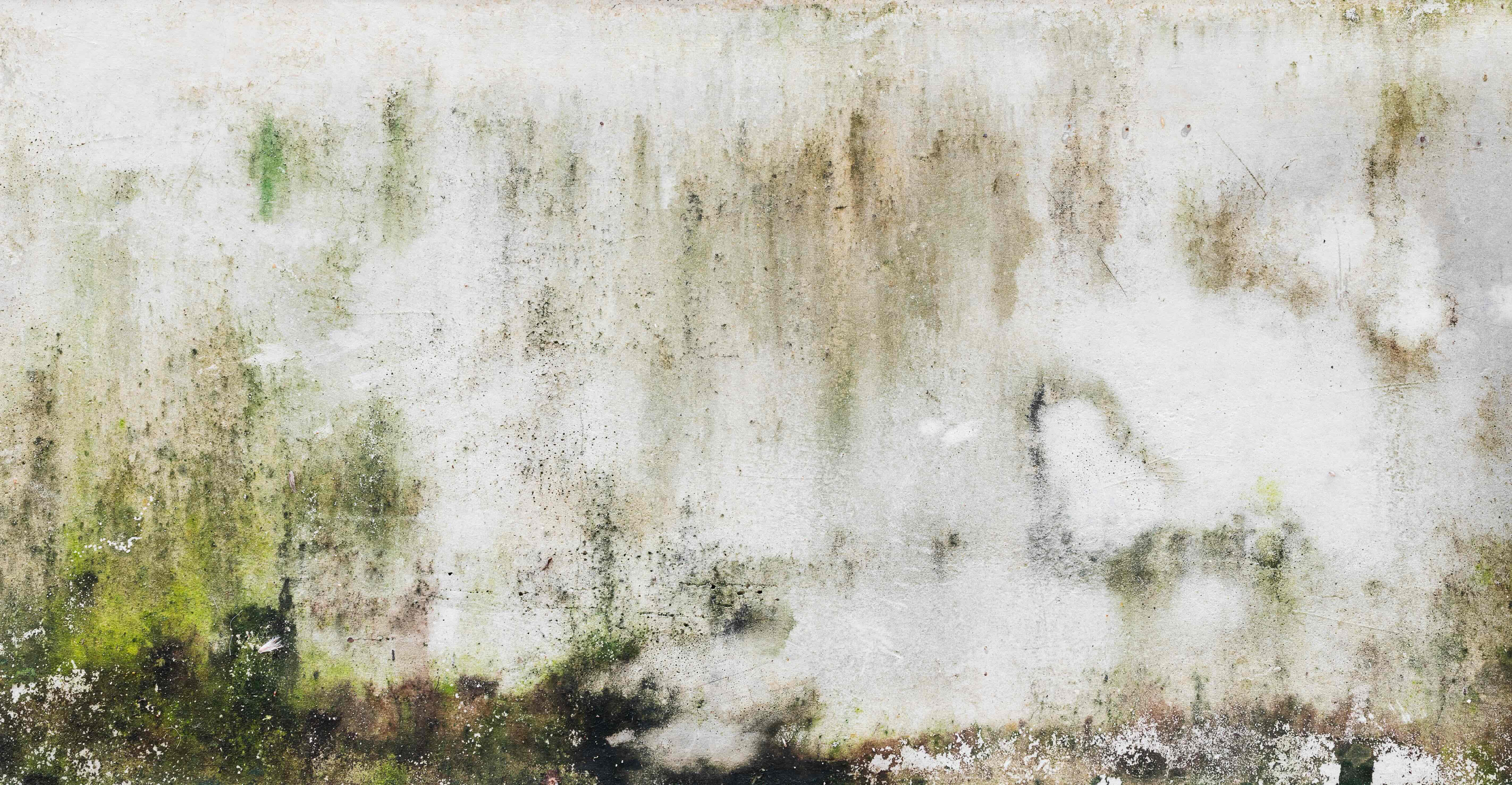
Mold can begin developing on wet organic materials within 24 to 48 hours when conditions support growth. Warm indoor conditions, wet drywall, wood framing, carpet padding, and insulation increase risk.
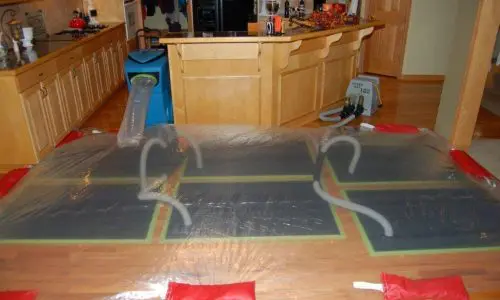
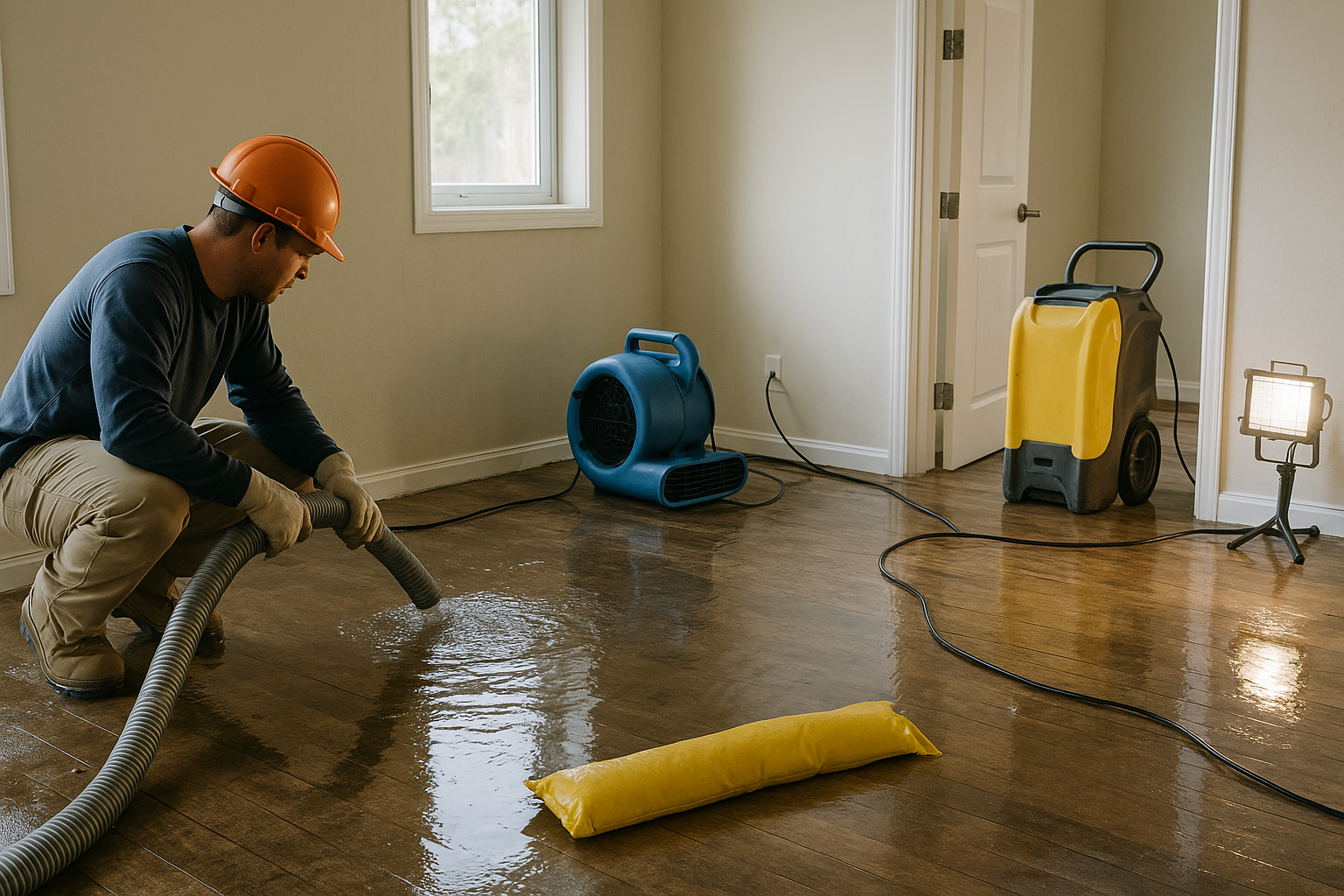
Commercial air movers, LGR dehumidifiers, and daily moisture readings dry structural materials far more reliably than household fans. They also create the documentation trail needed to show that drying was performed correctly.
Common mistakes homeowners make
The expensive mistakes usually come from waiting too long, relying on household fans, discarding materials before documentation, cleaning visible staining while hidden moisture remains, or failing to correct the water source.
- Waiting because the visible surface does not look severe.
- Using household fans without dehumidification.
- Throwing away damaged materials before photos and notes are taken.
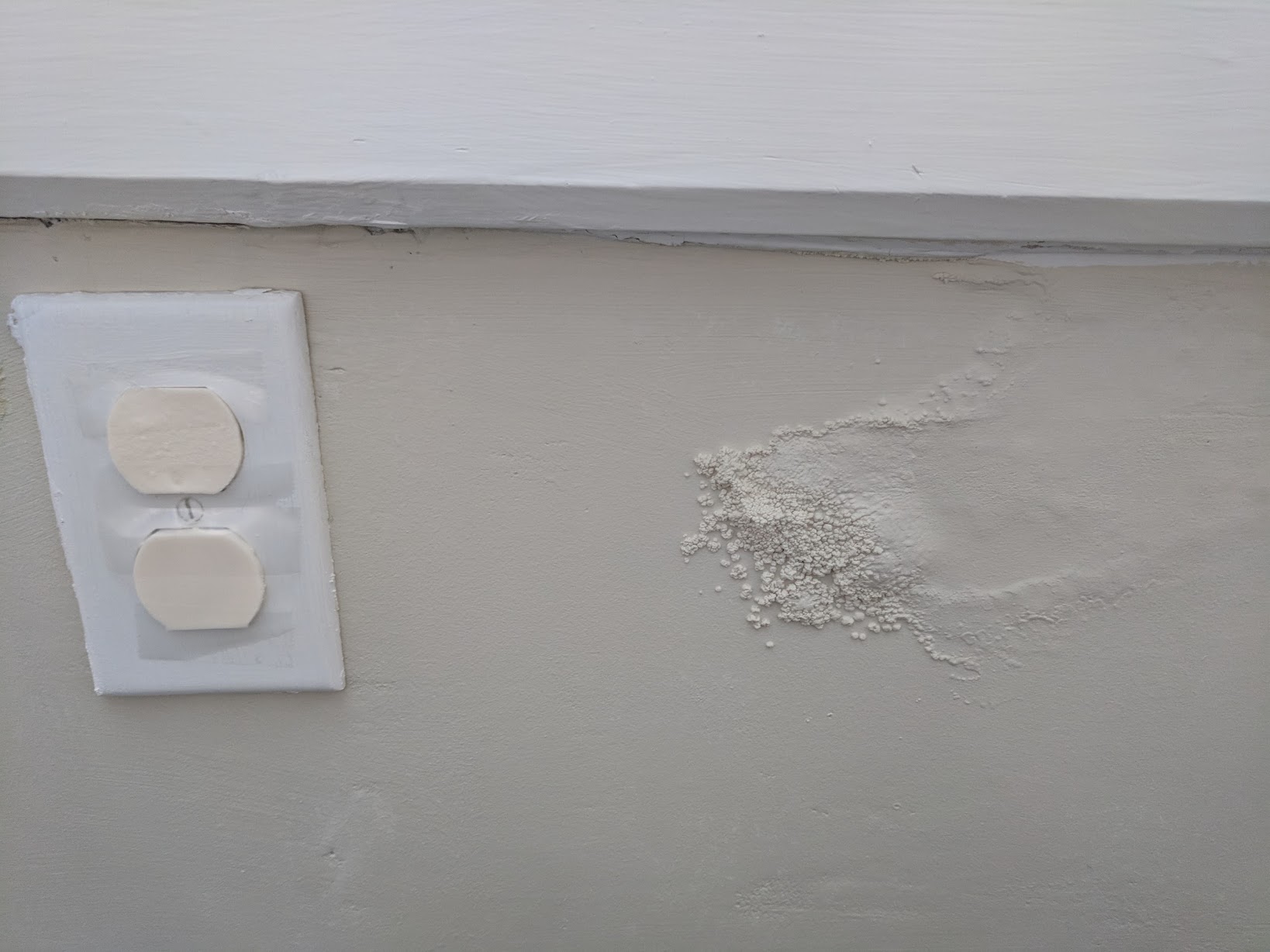
- Bleaching a surface stain while moisture remains inside wall cavities.
- Starting mitigation before the active leak or source is controlled.