Water Damage Restoration
Structural Drying in Los Angeles: Timelines, Costs, Safety, and How to Know It’s Really Dry
A field-tested guide for LA homeowners: when you truly need structural drying, realistic timelines and costs, what safe occupancy looks like, and how pros verify dry standards—plus tips for California insurance and older LA homes.
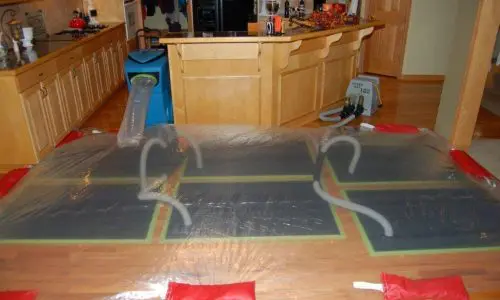
Hardwood floor drying
What You'll Learn in This Article
- Mold risk starts in 24–48 hours—don’t wait through a “marine layer” weekend.
- Most LA clean-water losses dry in ~3–7 days with proper extraction and dehumidification.
- Dry standard = match unaffected materials, verified with daily readings and logs.
- Costs track equipment days and scope; ask for the drying plan and equipment rationale.
- Older LA homes may need asbestos/lead clearance before any demo or flood cuts.
Structural Drying in Los Angeles: Timelines, Costs, Safety, and How to Know It’s Really Dry
Los Angeles throws curveballs: atmospheric river bursts, weeks of marine layer near Santa Monica, hot Valley afternoons, and a lot of older construction. We see it daily—collapsed ceiling sections after roof leaks on the Westside, condo slab leaks in Long Beach, and soggy water-heater closets that won’t air out. Structural drying is how you stop a wet room from becoming a repeat-repair money pit.
Why Structural Drying Matters (And Why “Just Fans” Often Fails)
Structural = inside the assemblies: wall cavities, sill plates, subfloors, insulation, cabinets, and engineered wood layers. You can make the room air feel dry while studs and sheathing stay wet behind stucco or tile.
LA homes push risk in the first 24–48 hours—especially after a late-night supply-line leak, coastal humidity, or low-slope roof leak. Common misses we find: cavities never opened, moisture trapped behind vapor barriers, and HVAC imbalances re-wetting walls.
First 60 Minutes After Water Damage (Safety + Damage Control Checklist)
- Power and gas: If outlets, the breaker panel, or appliances got wet, shut those circuits. Don’t touch a wet panel—wait for an electrician or utility.
- Water category: Clean (supply), gray (washer/dish), black (sewage/ground). Never DIY sewage or unknown water.
- Stop the source: Close the supply valve, cap a broken line, tarp obvious roof openings. Move furniture, lift rugs, foil-wrap furniture feet.
- Keep HVAC off in the affected zone if it could spread humidity or odors.
- Document now: wide shots, close-ups, serials, and what steps you took. This helps insurance later.
- If ceilings bow or sag, stay out from under them and call for help immediately.
Do You Need Structural Drying or Just Airflow? (Fast Decision Framework)
You likely need structural drying if
Water reached drywall/baseboards, flooring feels spongy or cupped, musty odor lingers, humidity won’t drop, or the leak ran 6–12+ hours.
Fans-only may be enough if
Small clean-water spill, caught fast, zero cavity wetting, no swelling, and RH normalizes within a few hours.
Hidden moisture tells
Warm HVAC masking dampness, wet insulation that looks dry, moisture wicking up studs, or laminate edges swelling.
Step-by-Step Structural Drying (What Pros Do Day-by-Day)
1) Inspection + moisture map
Define the true footprint—walls, subfloor, cabinets, adjacent units if it’s a condo.
2) Water extraction
The faster we pull water, the fewer days you’ll run equipment.
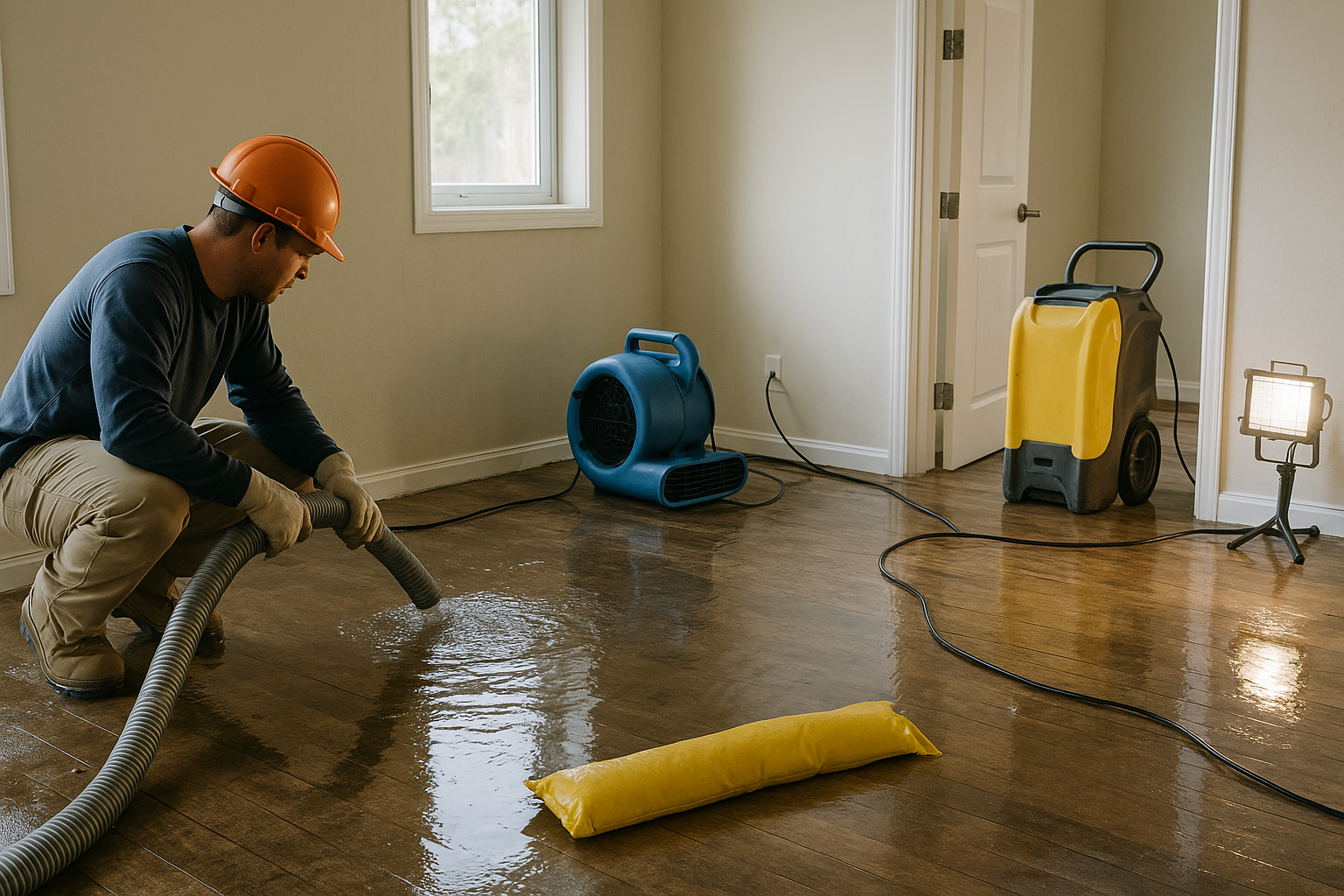
3) Air mover placement
Aim across surfaces, not at them; avoid short-circuit loops and dead zones.
4) Dehumidification strategy
Keep RH low enough that materials release moisture instead of re-absorbing it.
5) Temperature management
Warm—within safe limits—often helps. Protect adhesives and finishes from overheating.
6) Daily monitoring
Adjust placement/count, containment, and HVAC settings based on readings.
7) Dry standard verification
Document final readings vs unaffected areas, plus photos and equipment logs.
Equipment Explained (Selection Criteria, Not Just a List)
Extractors
Truck-mounts shine on large, open areas; portables fit condos and upper floors.
Air movers
Roughly 1 per 10–16 linear feet of wall; more isn’t always faster if RH stays high.
Dehumidifiers
LGR for most jobs; desiccants help on large coastal or low-temp projects.
Meters + IR
IR finds temperature anomalies; meters confirm moisture by material.
Containment + HEPA
Required with suspected microbial growth or dusty demo; protects clean areas.
How Long Does Structural Drying Take in LA? (Realistic Timelines + Variables)
Typical clean-water losses finish in about 3–7 days. Expect longer when assemblies trap moisture or when coastal RH hangs around all day.
By material (general): drywall 1–3 days; plaster 3–5; hardwood/engineered 4–10; subfloor 3–7; cabinets 3–7; fiberglass insulation often removed if saturated.
- Faster if same-day response; slower if 2–3 days pass before mitigation.
- Category 2/3 events often force removal of porous materials.
- Microclimates: marine layer slows Santa Monica/South Bay; Valley heat speeds evaporation but needs RH control.
- Season: winter storms vs hot inland summers change strategy.
- HVAC: pressure imbalances can cross-contaminate nearby rooms.
- Wall type: lath-and-plaster, double layers, or vapor barriers add time.
- Slow-downs: slab-on-grade condos, crawlspaces, shared walls, hillside rain intrusion.
Dry-in-Place vs Disruptive Drying (A Practical Decision Tree)
Start here
Water category, time since loss, and which assemblies got wet.
Dry-in-place fits when
Clean water, quick response, no insulation saturation, and daily readings trend down.
Removal needed when
Sewage/gray water on porous materials; wet insulation; swollen MDF/baseboards; delaminating cabinets; cupped hardwood; plateaued readings.
Older-home caution
Pre-1980? Pause for asbestos/lead testing before flood cuts or demo.
Fix the source
Hillside drainage, roof failures, or window flashing leaks must be addressed or moisture returns.
Moisture Measurement Basics (How to Know It’s Actually Dry)
“Dry” means matching unaffected materials—never a random number. Pros log material moisture content plus room RH, temperature, and dew point each day. Ask for a simple drying log with dates, locations, readings, equipment counts, and notes. Red flags: readings stall for 48 hours, musty odor returns, or a wall section was never opened/measured.
Health & Safety: Can You Stay in the Home During Drying?
- Clean-water jobs with good containment are often fine to occupy.
- Relocate if sewage/Category 3, suspected mold, or vulnerable occupants (infants, asthma, immune-compromised).
- Keep work zones closed, protect HVAC returns, and mind cords/hoses—slip and electrical hazards are real.
- If demo is likely in an older home, pause for asbestos/lead clearance first.
Cost of Structural Drying in Los Angeles (What Drives the Price)
Costs follow size, water category/class, equipment days, after-hours response, and whether demo/rebuild is needed. A roof-leak ceiling loss that’s caught early often lands around $2,500–$4,000; an ADU flooding after heavy rain is commonly $2,000–$3,000 when addressed fast. Condos and multi-unit coordination tend to add time and admin.
Billable lines you’ll see: labor, equipment rental per day (dehus/air movers), monitoring visits, containment/HEPA, antimicrobial, and disposal. To avoid equipment sticker shock, ask for the written drying plan and why each unit is needed.
California Insurance Workflow (How to Get Paid Without Delays)
Mitigation and reconstruction are billed separately. Adjusters want clear photos, moisture maps, daily logs, and equipment logs with a signed authorization. Watch for repeated seepage limits, wear-and-tear exclusions, and mold sublimits. In LA condos, document shared-wall checks, neighbor coordination, and access windows. Can’t reach your carrier today? We can still start mitigation, document thoroughly, and help the adjuster follow the paper trail.
DIY vs Professional Structural Drying (Clear Red Lines)
- DIY can be fine for a tiny clean-water spill, fully visible, no porous structure wet.
- Stop DIY if water hit walls/floors, RH won’t drop, odor appears, or readings don’t improve within 24 hours.
- Never DIY sewage/gray water, multi-family losses, suspected mold, slab leaks, wet hardwood/engineered floors.
- Pre-1980 demo? Get asbestos/lead clearance first.
Post-Drying Verification (Before You Rebuild or Repaint)
- Confirm readings match dry standard across all previously wet areas.
- No hidden wet pockets on meter—check behind cabinets/trim.
- Third-party testing is optional; useful if there were delays, odors, or health concerns.
- Okay to close walls when readings are stable for 24–48 hours and no odors return.
- “Bad job” tells: musty return air, swelling trim after removal, recurring high indoor RH, slab efflorescence.
Common Los Angeles Scenarios (What to Expect + Pitfalls)
DTLA/Westside condo, slab-on-grade
Moisture migrates under plank floors; plan for plank removal or panel access and extended dehu.
Coastal apartment (Santa Monica/South Bay)
Marine layer slows drying—use higher-capacity LGR or desiccant and tighter containment.
Hillside home (Hollywood Hills/Studio City)
Rain intrusion pairs with drainage issues; fix gutters, grading, and subdrains as part of scope.
Older LA homes (lath-and-plaster)
Assemblies trap moisture; add time and test for asbestos/lead before flood cuts.
Prevention After Drying (Reduce the Chance of a Repeat Loss)
- Keep indoor RH ~40–50% when storms hit; run HVAC/dehu as needed.
- Upgrade supply lines and add a pressure regulator and auto shutoff/leak detection.
- Rainproofing: clean gutters, maintain window/roof flashing, improve grading and hillside drains.
- Choose rebuild materials that tolerate drying (cement board, moisture-tolerant base, breathable paints).
Choosing a Structural Drying Company in Los Angeles (What to Ask)
- Credentials: IICRC WRT/ASD; CSLB license for rebuilds.
- Ask for the drying plan, equipment rationale, and monitoring frequency.
- Containment approach and HEPA when growth is suspected.
- Post-dry verification process and final documentation package.
- 24/7 response, insured, coordinates with adjuster and HOA when needed.
Next Steps (If You Need Help Now)
Have this ready on the call
Address, when it started, source if known, photos/video, whether power is on, who occupies the space.
First visit should include
Moisture map, category/class assessment, drying plan, safety/containment guidance, and insurance-ready documentation.
LA Structural Drying FAQs
How long does structural drying take in Los Angeles?
Many clean-water losses wrap in ~3–7 days. Coastal humidity, wet insulation, saturated hardwood, or delayed response often stretch it beyond a week. Daily readings trending to a dry standard are the best indicator.
Do I need structural drying or can I just run fans?
Fans can work for a tiny, clean spill caught immediately with no cavity wetting. If water hit drywall/baseboards or ran for hours, you’ll need extraction, controlled airflow, dehumidification, and monitoring.
What’s the difference between dry-in-place and disruptive drying?
Dry-in-place keeps assemblies intact. Disruptive drying removes wet/contaminated porous materials—common with Category 2/3 water or saturated insulation.
Is it safe to stay in the home during drying?
Often yes for clean-water losses with good containment. Relocate for contaminated water, suspected mold, or vulnerable occupants. Address electrical and slip hazards first.
How do pros prove the structure is dry?
They compare materials to an unaffected dry standard and document daily logs for materials + RH/temperature/dew point, then issue a final verification.
How much does structural drying cost in LA?
Scope-driven. Main drivers are equipment days and labor. Ask for a written plan and why each dehu/air mover is required to avoid surprises.
Will my California homeowners insurance cover this?
Sudden/accidental damage is often covered; exclusions and mold sublimits apply. Provide photos, moisture maps/logs, equipment logs, and separate mitigation vs reconstruction charges.
Related Services in Los Angeles
ADU Flood After Storm — Example
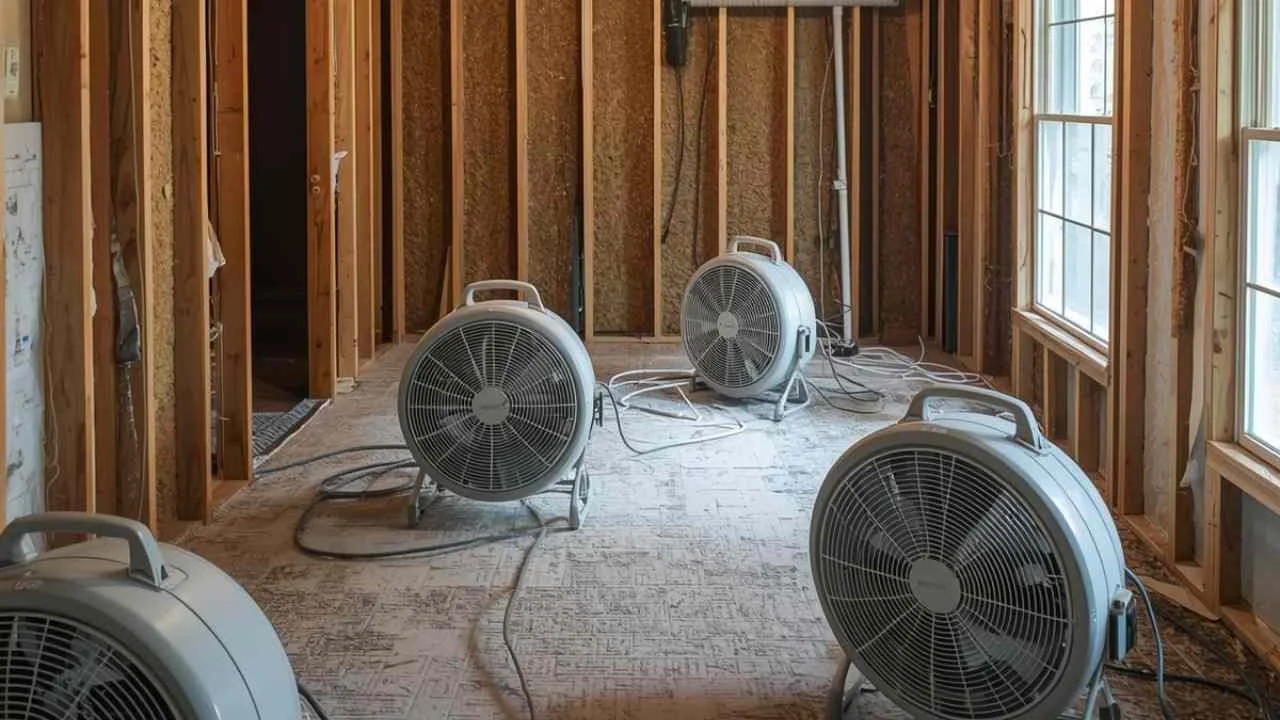
Hardwood Floor Drying — Kitchen Leak
Not sure if walls are wet?
A quick moisture map now can save days later—especially in Santa Monica, Beverly Hills, Pasadena, and the South Bay.
Need structural drying in Los Angeles today?
Fast inspection and drying reduce mold risk, hidden damage, and repair scope. Call (213) 460-4929.
Call URSA-PRO Restoration for same-day help