Water Damage & Sewage Cleanup
Sewage Backup Cleanup in Los Angeles: Safety Steps, DIY vs Pro Decision Tree, Costs, Insurance & Prevention
A concise Los Angeles homeowner’s guide: what to do in the first hour after a sewage backup, safety/PPE, when to call a pro, local cost ranges, insurance tips, re-occupancy checks, and prevention for older LA homes.
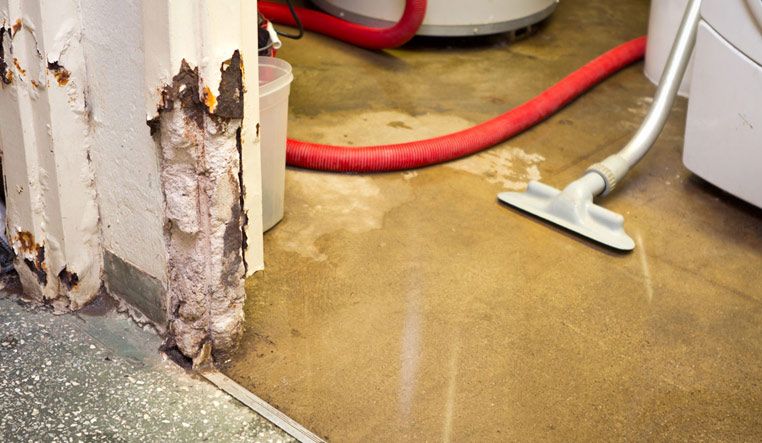
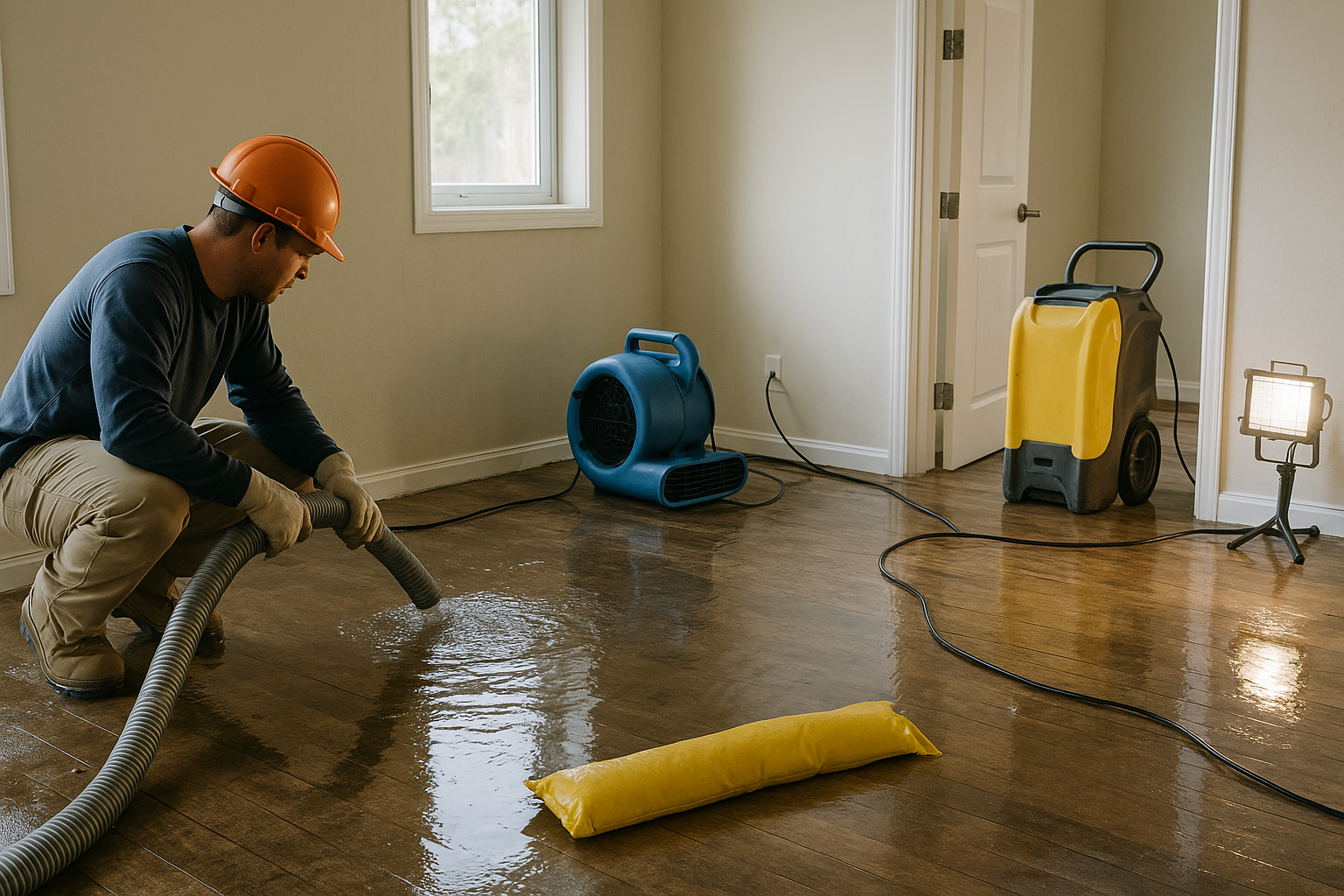
Typical bathroom sewage intrusion — quick containment limits hidden damage (Santa Monica example).
What You'll Learn in This Article
- Treat any sewer-line or toilet overflow as Category 3 (black) water — health risk and often requires pro remediation.
- Stop the source, isolate the area, shut HVAC, document damage, and put on PPE in the first 60 minutes.
- Call a restoration pro for HVAC, crawlspace, wall cavity or multi-room contamination; small non-porous splashes can sometimes be cleaned safely.
- Local LA factors — older laterals, coastal humidity, hillside runoff — make quick mitigation and moisture mapping essential.
- Get an itemized scope and moisture log for insurance; same-day inspection reduces mold risk and repair scope.
Sewage Backup Cleanup in Los Angeles: What to Do Now (And When to Call a Pro)
Short answer: prioritize health, stop the source, and limit spread. In LA’s older housing stock and coastal climate, what looks minor can hide fast-moving contamination and mold risk.
This short guide gives clear do-or-don't actions for homeowners, renters, and property managers — plus when to call URSA-PRO for same-day inspection.
Why sewage backups are especially risky and common in Los Angeles
Many LA homes use older clay or non-PVC laterals that root-intrude, and shared stacks in apartments can back up multiple units. Coastal humidity slows drying and raises mold risk; hillside runoff and heavy burst storms can surcharge mains and bring sewer backups indoors. Fix the active source first; then mitigate contamination immediately.
Is it safe to stay here tonight? Fast re-occupancy triage
Don’t stay if any of these apply: visible sewage (Category 3) anywhere in living spaces, HVAC returns exposed, strong sewage odor outside the room, standing water contacting electrical outlets, or vulnerable occupants (infants, elderly, immunocompromised). If none apply and the area can be fully sealed with HVAC off and a clean path created, limited re-occupancy may be acceptable.
The first 60 minutes: Los Angeles sewage backup emergency checklist
Stop the source
Shut off household water if the leak is from a supply line; stop using toilets and drains. Locate the sewer cleanout if reachable; do not attempt complex repairs yourself.
Protect people and power
Keep everyone and pets away. Avoid stepping in contaminated water. Do not use electrical outlets in wet areas — shut the breaker if water contacts wiring.
Contain and isolate
Close doors, stuff towels under thresholds, shut HVAC and returns, and set a single 'dirty' entry path with disposable shoe covers.
PPE and documentation
Wear gloves, impermeable boots, eye protection and an N95/P100 if available. Photograph time-stamped damage and note when and who you called.
Call the right help
If sewage reached porous materials, HVAC, crawlspace, wall cavities, or multiple rooms — call a restoration pro and a plumber immediately.
PPE you actually need (and what’s not enough)
- Nitrile or waterproof gloves (not thin latex)
- Rubber boots or disposable boot covers
- Eye protection (goggles) and face shield if splashing
- N95 or P100 respirator for aerosol risk (surgical masks are insufficient)
- Disposable coverall if entering contaminated spaces
Understand contamination levels (Category 1–3) — sewage is Category 3
Category 1 = clean water (supply line). Category 2 = grey water (appliance discharge). Category 3 = black water — sewage, toilet overflow, or sewer line backflow. Treat any sewer-line or toilet overflow as Category 3: it carries pathogens, can aerosolize during cleaning, and often forces removal of porous materials.
DIY vs Professional cleanup: a clear decision framework
When to ALWAYS call a pro
Any Category 3 sewage, HVAC/duct contact, crawlspace contamination, sewage inside walls or electrical panels, multi-room spread, or vulnerable occupants.
When DIY may be reasonable
Immediate, very small splash on non-porous surfaces (tile/porcelain) where source is fixed and you have PPE and disinfectant. Follow strict cleaning + disinfecting protocols and document everything.
Strongly consider a pro
>10 sq ft of porous material affected, water present >24 hours, sewage depth >½ inch, or multi-unit involvement.
What professionals do (and what you can safely do first)
Assessment & mapping
Pros use moisture meters and cameras to find hidden migration (baseboards, grout, toe-kicks).
Containment & air control
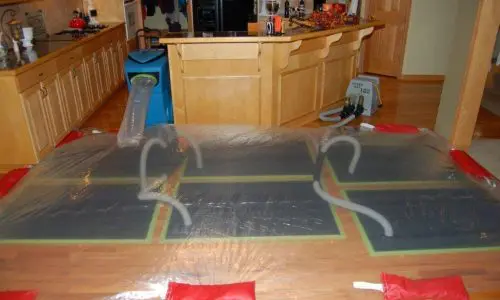
They seal doorways, protect HVAC returns, and run HEPA filtration and negative air where needed.
Bulk removal, demo, and safe disposal
Standing sewage and unsalvageable porous materials are removed, bagged, and disposed according to local rules.
Clean → disinfect → dry
Clean detergent first, then disinfectants with correct dwell time; set dehumidifiers and airflow targets. Drying goals must be met before reconstruction begins.
Salvage vs Discard: quick material rules
Usually discard
Carpet & pad, upholstered furniture, mattresses, drywall and insulation that contacted sewage.
May be cleaned
Non-porous surfaces (tile, finished concrete) with immediate cleaning and proper disinfection.
Inspect closely
Engineered hardwood and cabinets — monitor for wicking/swelling; drying may save some materials but expect localized demo.
Timelines: 1 hour, 24 hours, 72 hours
1 hour: stop source, isolate, document, and call a plumber. 24 hours: professional assessment and begin extraction/drying. 72 hours: verify drying progress and prevent mold; if not drying, escalate for demolition to stop microbial growth.
Cost of sewage cleanup in Los Angeles (2026 guide) and what drives price
Small localized toilet overflows often run in the low thousands; single-room sewage events commonly fall into the $1,000–$2,500 range, while crawlspace, multi-room, or multi-unit events increase significantly once demo and rebuild are included. Key drivers: containment needs, demolition volume, drying days/equipment, after-hours dispatch, and whether reconstruction is required. Get an itemized scope and equipment log to compare bids.
California insurance playbook (LA-focused): coverage, exclusions, and filing tips
Many policies require a specific sewer-backup endorsement for sewer line backups and may exclude flood/groundwater. Document photos/videos, plumber report, mitigation steps, moisture readings, and receipts. Ask adjusters about 'water backup/sewer backup' limits and request authorization for mitigation immediately to reduce mold risk.
Related services & local referrals
Prevent the next backup: practical homeowner steps
- Watch for slow drains, gurgling, yard sewage odors, or cleanout overflow.
- Schedule a camera inspection if pipes are original clay/Orangeburg — root intrusion is common in older LA homes.
- Install a backwater/backflow valve where feasible to protect against sewer main surcharge.
- Avoid flushing wipes and limit grease down the drain in older stacks.
When to call a sewage cleanup professional in LA
Call 24/7 if you have active overflow, HVAC involvement, sewage in crawlspace, strong odor with unknown extent, multi-unit exposure, or any Category 3 contamination. A good company will provide an on-site assessment, a written scope, moisture log, photos, and daily monitoring.
Need same-day assessment in Los Angeles?
Fast inspection and moisture mapping reduce mold risk, hidden damage, and repair scope. Request an itemized scope + photo packet for your insurer.
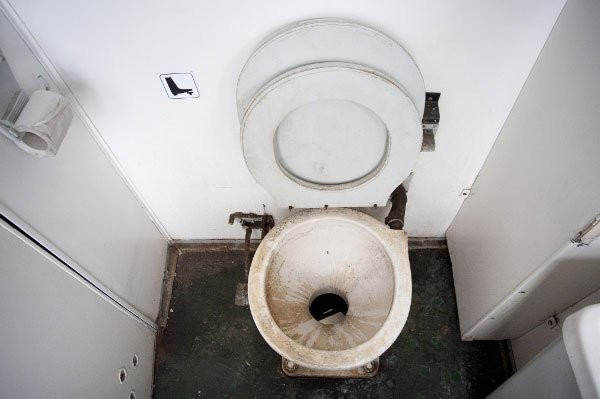
Call URSA-PRO Restoration for same-day help: (213) 460-4929Example: toilet line failure in a bathroom
Frequently asked questions
Is sewage backup always Category 3 water?
Yes. Water containing feces/urine or coming from a sewer line is Category 3 (black water) because it can contain pathogens and usually requires professional remediation and removal of porous materials.
Can I sleep in the house the same night after a sewage backup?
Only if the affected area is fully isolated, HVAC is off for the zone, no odor escapes the contained space, and no vulnerable occupants are present. If sewage reached bedrooms, HVAC, or multiple rooms, relocation is safer until cleanup and verification are complete.
What should I do in the first hour after a sewage overflow?
Stop using plumbing, shut off water if needed, keep people/pets out, turn off HVAC, avoid electricity in wet areas, put on PPE, set up basic containment, document damage with photos/video, then call a plumber and a restoration pro if porous materials were contacted.
Will bleach solve sewage contamination?
No. Bleach can disinfect some surfaces after proper cleaning, but soil must be removed first. Bleach can damage finishes and is dangerous if mixed with other cleaners. Porous materials usually require removal rather than bleaching.
Do I need to remove drywall after a sewage backup?
Often yes — if drywall was contacted, wicked from the floor, entered wall cavities, or stayed wet for many hours. Pros cut to a defined line above the contamination and remove wet insulation to prevent odor and hidden microbial growth.
How much does sewage cleanup cost in Los Angeles?
Small localized incidents may be in the low thousands; single-room events commonly fall between $1,000–$2,500. Crawlspace, multi-room, or multi-unit events are higher, especially when reconstruction is required. Get an itemized scope to compare bids.
Will my homeowners insurance cover sewage backup in California?
Sometimes. Many policies require a sewer-backup endorsement for sewer line backups and exclude flood/groundwater. Document cause (plumber report), mitigation, and damaged items; ask your adjuster specifically about sewer backup limits.
What if the backup happens in an apartment or condo building?
Notify property management immediately, document source and downstream damage (units below), and request written remediation steps. Shared stacks can re-backup if the root cause isn’t fixed, so coordinate with the building plumber and restoration vendor.
How long does it take to dry and restore after sewage cleanup?
Drying typically takes several days depending on materials and coastal humidity; restoration adds time for trades and permits. Restoration should start only after moisture targets are met and odor/contamination issues are resolved.
How do I know the sewage smell is gone for good?
Persistent odor usually indicates hidden contamination in subfloor, cavity, insulation, or HVAC. 'Done' means contaminated porous materials removed, surfaces cleaned/disinfected, moisture targets verified with meter readings, and no odor under normal HVAC operation.